This month’s edition provides a focused review of newly approved and recently launched therapies. Expion Health monitors these developments closely to assess clinical relevance, therapeutic positioning, and potential implications for payers, providers, and patients.
Indication
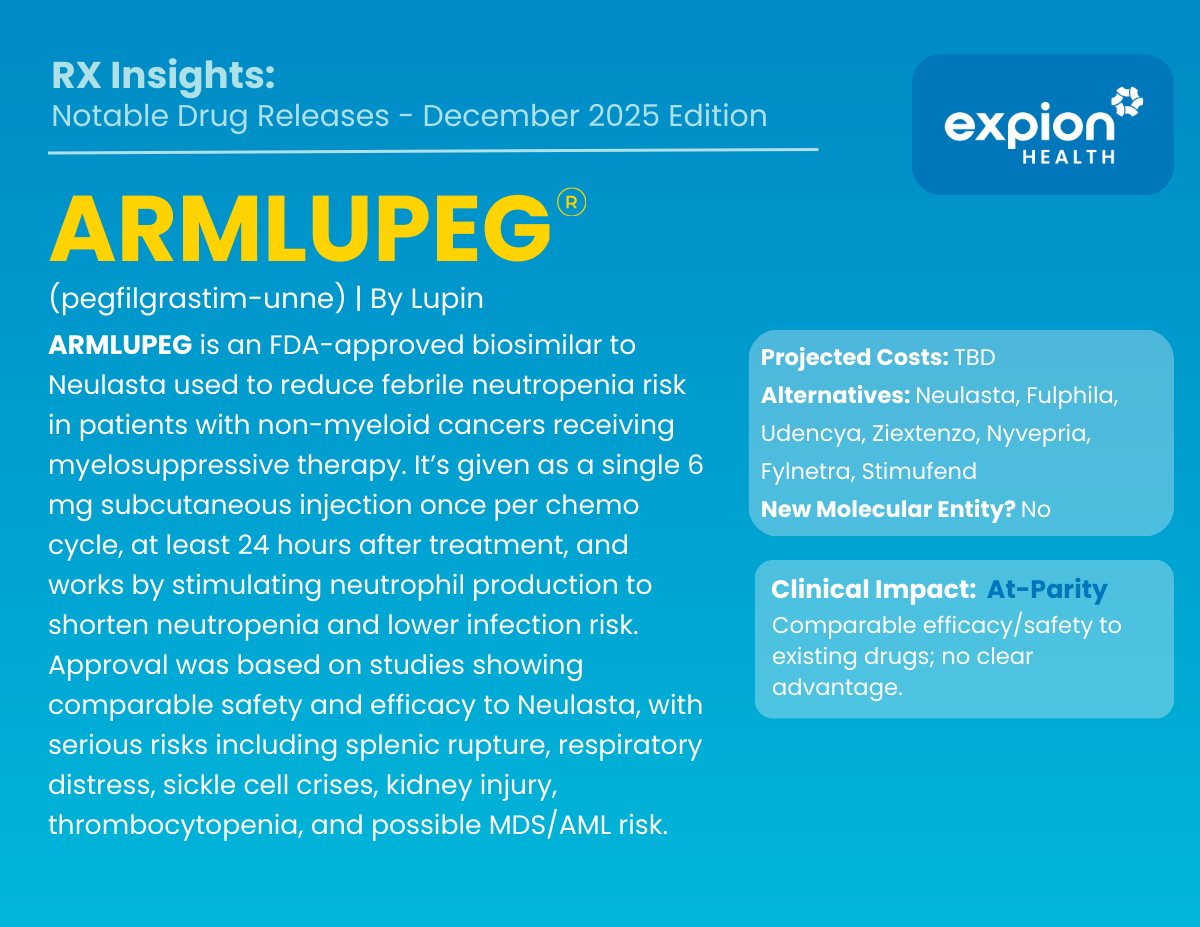
ARMLUPEG (pegfilgrastim-unne) is an FDA-approved biosimilar to Neulasta (pegfilgrastim) indicated to reduce the risk of infection, as manifested by febrile neutropenia, in patients with non-myeloid malignancies receiving myelosuppressive chemotherapy and/or radiation.
Dosage and Administration
ARMLUPEG is supplied as a 6 mg/0.6 mL single-dose prefilled syringe. A single 6 mg subcutaneous injection is administered once per chemotherapy cycle, no sooner than 24 hours after completion of chemotherapy.
Warnings and Precautions
Serious adverse reactions associated with ARMLUPEG include splenic rupture, acute respiratory distress syndrome, sickle cell crises, glomerulonephritis, and thrombocytopenia. Treatment with pegfilgrastim products may also increase the risk of myelodysplastic syndrome (MDS) and acute myeloid leukemia (AML) in patients with breast or lung cancer.
Mechanism of Action
ARMLUPEG mimics the activity of granulocyte colony-stimulating factor (G-CSF), stimulating the bone marrow to increase production of neutrophils. This helps shorten the duration of neutropenia and reduce the risk of infection and fever in patients undergoing chemotherapy.
Disease Background
Chemotherapy-induced neutropenia is a common and potentially life-threatening complication of cancer treatment. Myelosuppressive chemotherapy reduces neutrophil counts, weakening the immune system and increasing susceptibility to infections that can result in febrile neutropenia and require hospitalization.
Clinical Data
ARMLUPEG is the seventh FDA-approved biosimilar to Neulasta. FDA approval was based on a comprehensive comparability program demonstrating no clinically meaningful differences in safety, purity, or potency compared with the reference product. ARMLUPEG is not interchangeable with other pegfilgrastim products.
Indication
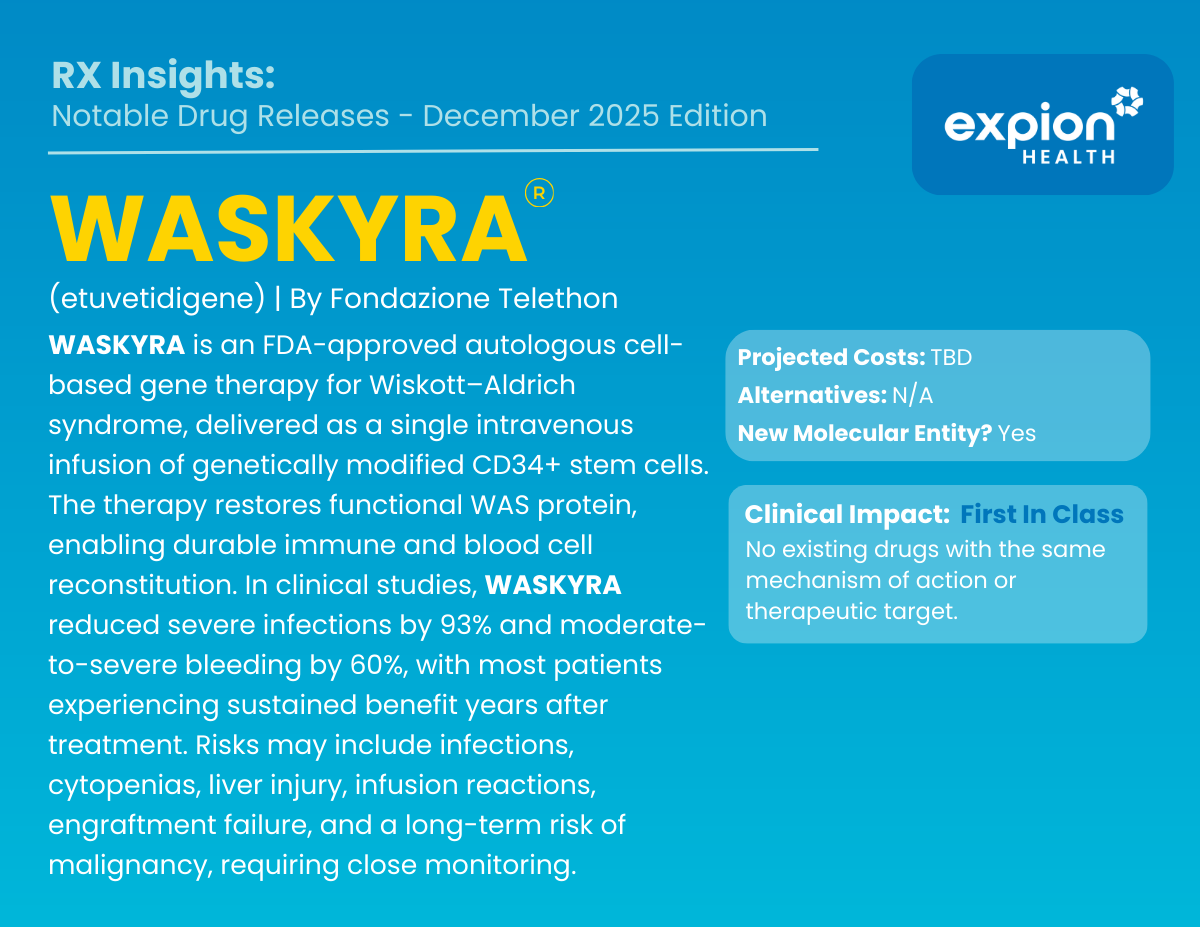
WASKYRA (etuvetidigene autotemcel) is a FDA-approved cell-based gene therapy for the treatment of Wiskott–Aldrich syndrome (WAS).
Dosage and Administration
WASKYRA is administered as a single intravenous infusion derived from the patient’s own CD34+ hematopoietic stem cells. The dose is based on the patient’s body weight at the time of infusion, and the total infusion volume must not exceed 20% of the patient’s estimated plasma volume. Following infusion, the genetically modified stem cells migrate to the bone marrow, where they engraft and produce healthy blood and immune cells expressing functional WAS protein.
Warnings and Precautions
Common adverse reactions include bacterial and viral infections, diarrhea, vomiting, mouth ulcers, liver injury, rash, petechiae, fever, and catheter-related infections. Serious risks include infusion-related or allergic reactions, cytopenias, veno-occlusive disease, engraftment failure, and a long-term risk of malignancy. Patients require close monitoring before and after treatment.
Mechanism of Action
WASKYRA delivers a functional copy of the WAS gene into the patient’s autologous CD34+ stem cells. After engraftment in the bone marrow, these cells generate immune and blood cells capable of producing functional WAS protein, addressing the underlying genetic defect and providing durable immune reconstitution.
Disease Background
Wiskott–Aldrich syndrome is a rare X-linked genetic disorder that primarily affects males and occurs in approximately 1 in 100,000 individuals under 18 years of age worldwide. It is characterized by recurrent infections, bleeding due to thrombocytopenia, and eczema, and is associated with increased risks of autoimmune disease and lymphoma.
Clinical Data
Clinical trial results demonstrated a 93% reduction in severe infections within 6–18 months following treatment compared with the year prior to therapy. Additionally, patients experienced a 60% reduction in moderate to severe bleeding during the first 12 months post-treatment. Most participants had no moderate or severe bleeding events four years after treatment, supporting the long-term clinical benefit of WASKYRA.
Indication
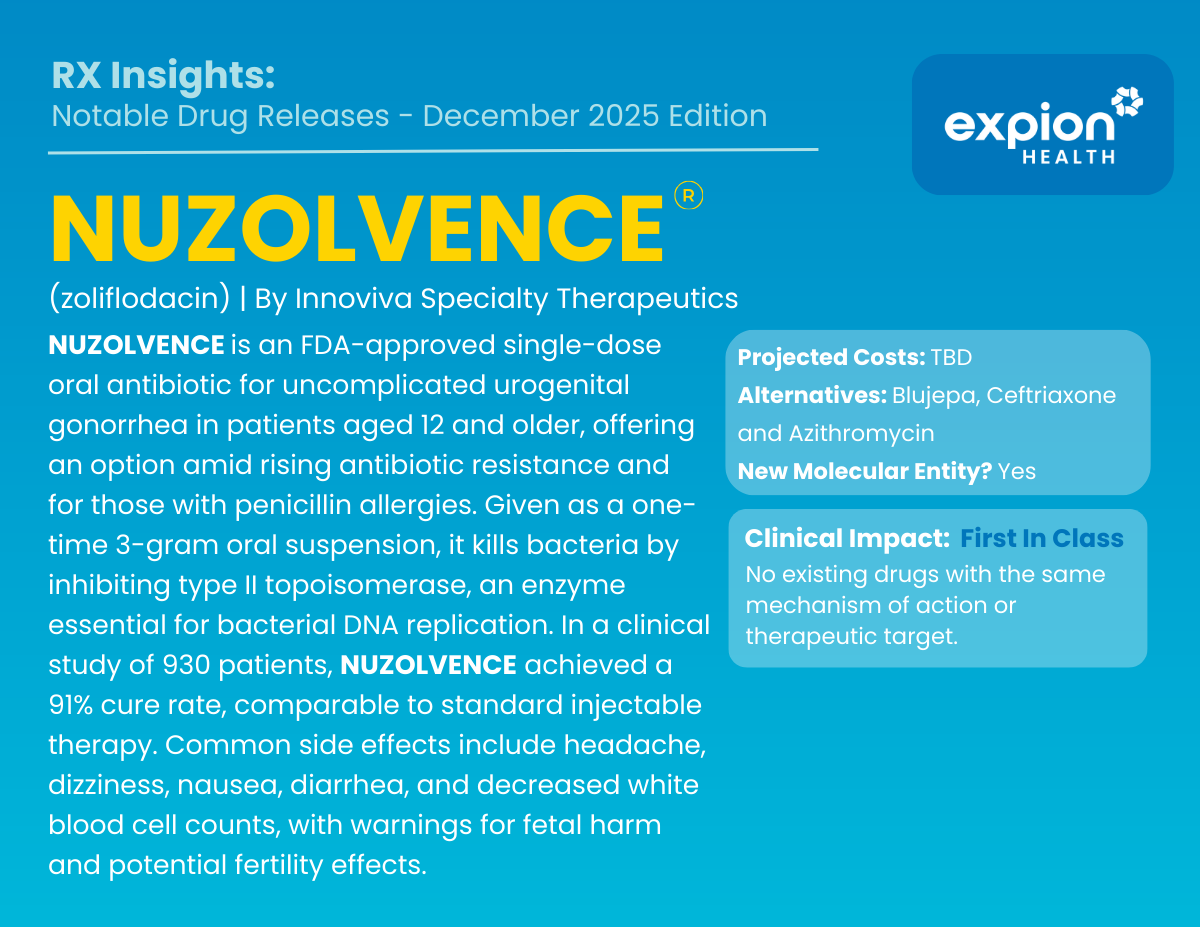
NUZOLVENCE (zoliflodacin) is FDA approved for the treatment of uncomplicated urogenital gonorrhea caused by Neisseria gonorrhoeae in adults and pediatric patients aged 12 years and older, weighing at least 35 kg. Its approval addresses the growing challenge of antibiotic-resistant gonorrhea.
Dosage and Administration
NUZOLVENCE is supplied as an oral antibacterial suspension and administered as a single 3-gram oral dose. It may be used in patients with penicillin or related drug allergies.
Warnings and Precautions
Common adverse reactions include decreased white blood cell count, headache, dizziness, nausea, and diarrhea. NUZOLVENCE may cause fetal harm, including serious birth defects, pregnancy loss, and potential effects on male fertility. Appropriate counseling regarding reproductive risks is recommended.
Mechanism of Action
NUZOLVENCE inhibits bacterial type II topoisomerase, an enzyme essential for DNA replication and bacterial reproduction. Inhibition of this enzyme leads to bacterial cell death.
Disease Background
Uncomplicated urogenital gonorrhea is a sexually transmitted infection (STI) caused by Neisseria gonorrhoeae. It involves localized infection of the urethra or cervix without spread to other organs. If left untreated, the infection can ascend to the reproductive tract, leading to pelvic inflammatory disease, infertility, and other complications.
Clinical Data
FDA approval was based on a clinical study of 930 patients with uncomplicated urogenital gonorrhea.
- Two-thirds of patients received a single 3-gram dose of NUZOLVENCE
- One-third received standard therapy with ceftriaxone plus azithromycin
Clinical cure was achieved in 91% of patients treated with NUZOLVENCE compared with 96% in the standard-treatment group, demonstrating comparable effectiveness.
Indication
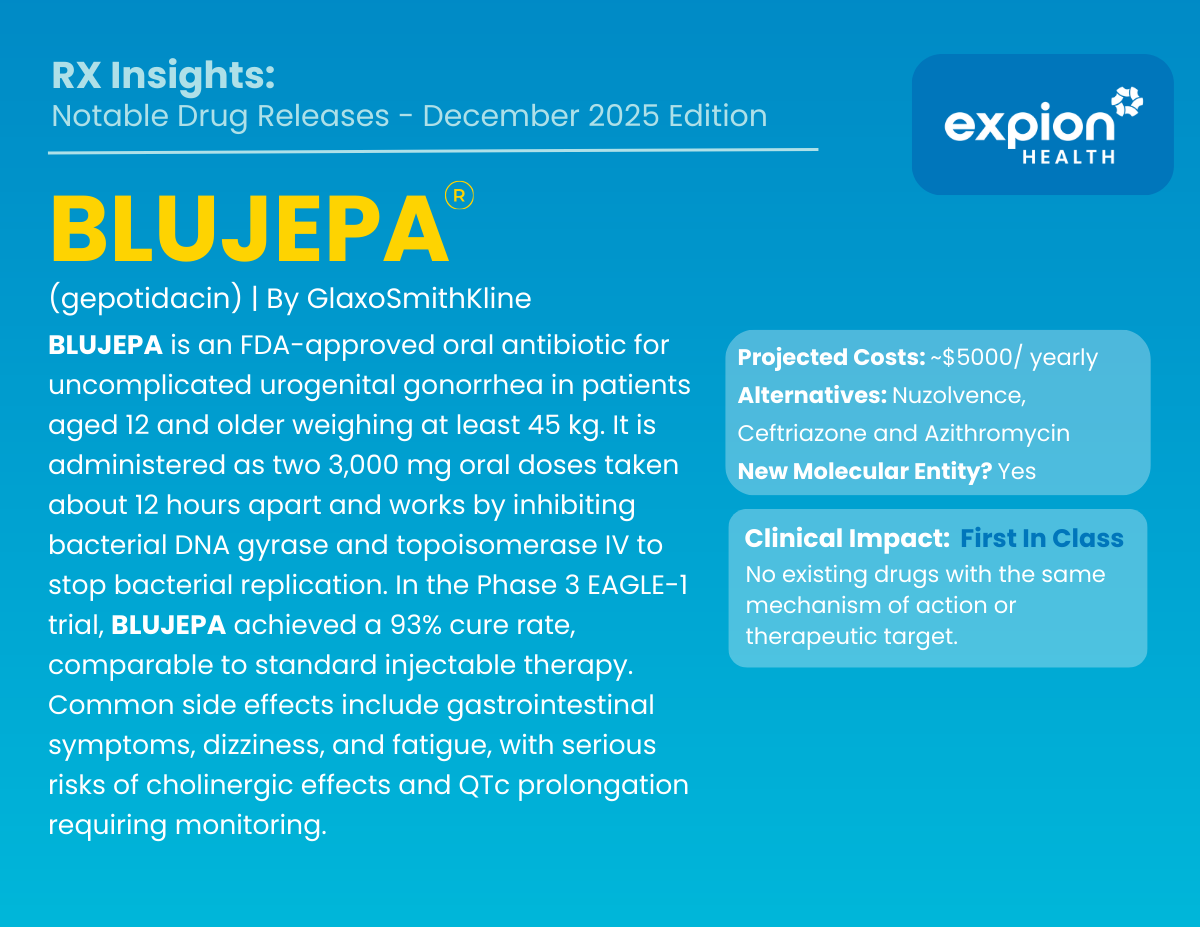
BLUJEPA (gepotidacin) is FDA approved for the treatment of uncomplicated urogenital gonorrhea in adults and pediatric patients aged 12 years and older who weigh at least 45 kg (99 pounds).
Dosage and Administration
BLUJEPA is supplied as 750 mg oral tablets. The recommended dosing regimen for uncomplicated urogenital gonorrhea is:
- 3,000 mg orally (four 750 mg tablets), followed by
- a second 3,000 mg oral dose approximately 12 hours later
Warnings and Precautions
The most common adverse reactions include nausea, diarrhea, abdominal pain, vomiting, gas, dizziness, soft stools, headache, fatigue, and excessive sweating.
Mechanism of Action
BLUJEPA inhibits two bacterial type II topoisomerase enzymes—DNA gyrase and topoisomerase IV—which are essential for bacterial DNA replication. Inhibition of these enzymes prevents bacterial replication and leads to bacterial cell death.
Disease Background
Gonorrhea is a sexually transmitted infection (STI) caused by Neisseria gonorrhoeae and affects more than 80 million people worldwide each year. In the United States alone, approximately 600,000 cases are reported annually, with nearly half of infections being asymptomatic, contributing to ongoing transmission. Rising antibiotic resistance has made treatment increasingly challenging, underscoring the need for new oral therapies.
Clinical Data
FDA approval was based on the Phase 3 EAGLE-1 trial, which enrolled 628 adults and adolescents with uncomplicated urogenital gonorrhea. Participants were randomized to receive either BLUJEPA (two doses taken 10–12 hours apart) or standard therapy with ceftriaxone plus azithromycin.
- Clinical cure rate:
- 93% with BLUJEPA
- 91% with standard therapy
These results demonstrated BLUJEPA’s effectiveness comparable to current standard treatment.
Click to view package insert
Indication
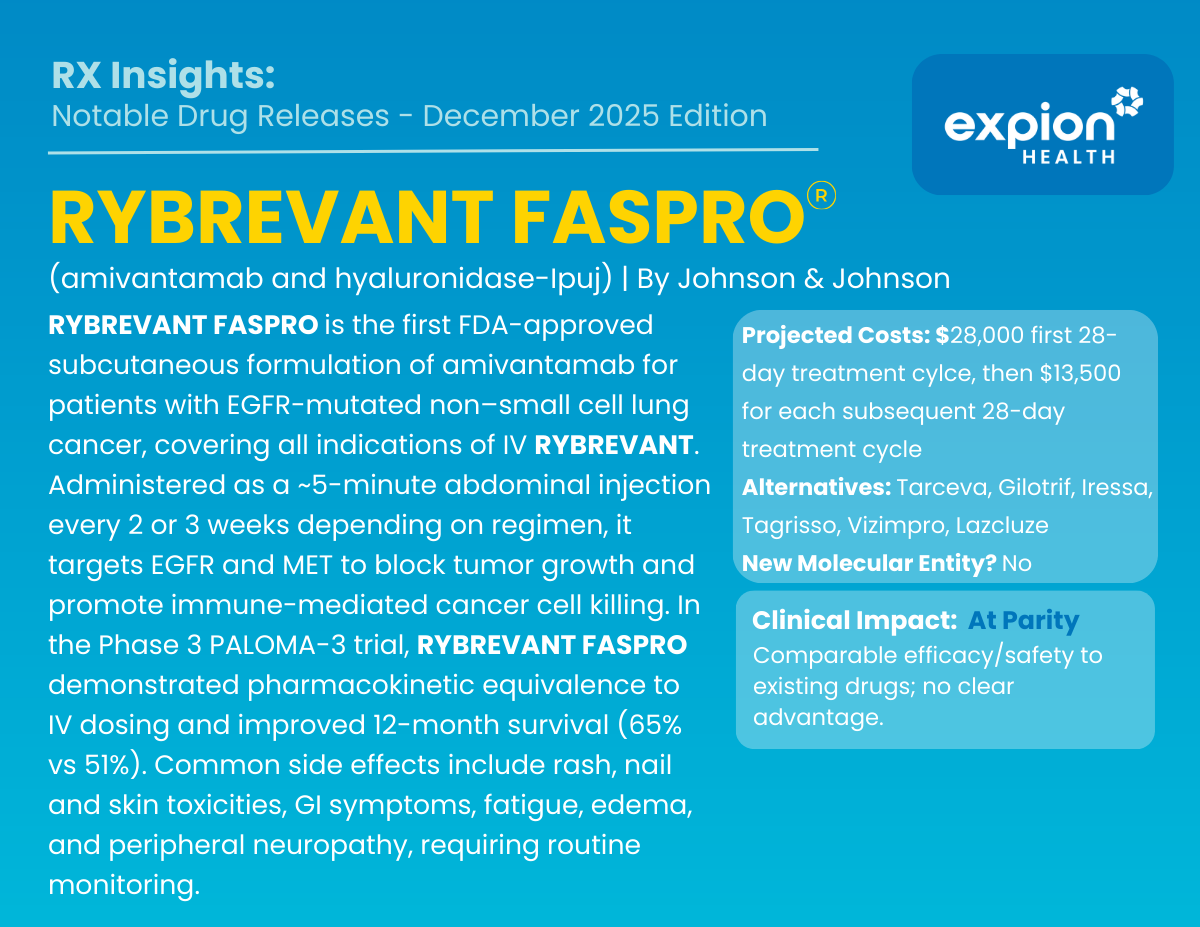
RYBREVANT FASPRO (amivantamab and hyaluronidase-lpuj) is FDA approved as the first and only subcutaneously administered therapy for patients with epidermal growth factor receptor (EGFR)–mutated non–small cell lung cancer (NSCLC). It has been approved to align with all indications of RYBREVANT.
Dosage and Administration
RYBREVANT FASPRO is administered subcutaneously in the abdomen over approximately 5 minutes. Dosing is based on baseline body weight and varies by regimen:
- In combination with carboplatin and pemetrexed (every 3 weeks)
- In combination with lazertinib, or as monotherapy (every 2 weeks)
Warnings and Precautions
The most common adverse reactions (≥20%) when used in combination with Lazcluze® (lazertinib) include rash, nail toxicity, musculoskeletal pain, edema, fatigue, nausea, hemorrhage, peripheral neuropathy, decreased appetite, constipation, diarrhea, pruritus, and dry skin. Patients should be monitored for dermatologic, gastrointestinal, and neurologic toxicities.
Mechanism of Action
RYBREVANT FASPRO targets both EGFR and MET receptors on the surface of cancer cells. By binding to these receptors, it blocks downstream signaling pathways that drive tumor growth. In addition, RYBREVANT flags cancer cells for immune-mediated destruction through antibody-dependent cellular cytotoxicity (ADCC).
Disease Background
Non–small cell lung cancer accounts for approximately 80–85% of lung cancer cases in the United States. While often associated with smoking, NSCLC also affects non-smokers. It includes three main subtypes—adenocarcinoma, squamous cell carcinoma, and large cell carcinoma. Treatment selection is guided by tumor molecular and histologic features, disease stage, prior therapy, and patient performance status.
Clinical Data
Approval was supported by the Phase 3 PALOMA-3 trial (NCT05388669), which demonstrated that RYBREVANT FASPRO achieved pharmacokinetic equivalence to intravenous RYBREVANT, meeting both co-primary PK endpoints based on amivantamab blood levels. Clinical outcomes favored the subcutaneous formulation, with 65% of patients alive at 12 months compared with 51% of patients treated with IV RYBREVANT, supporting its efficacy and survival benefit.
Indication
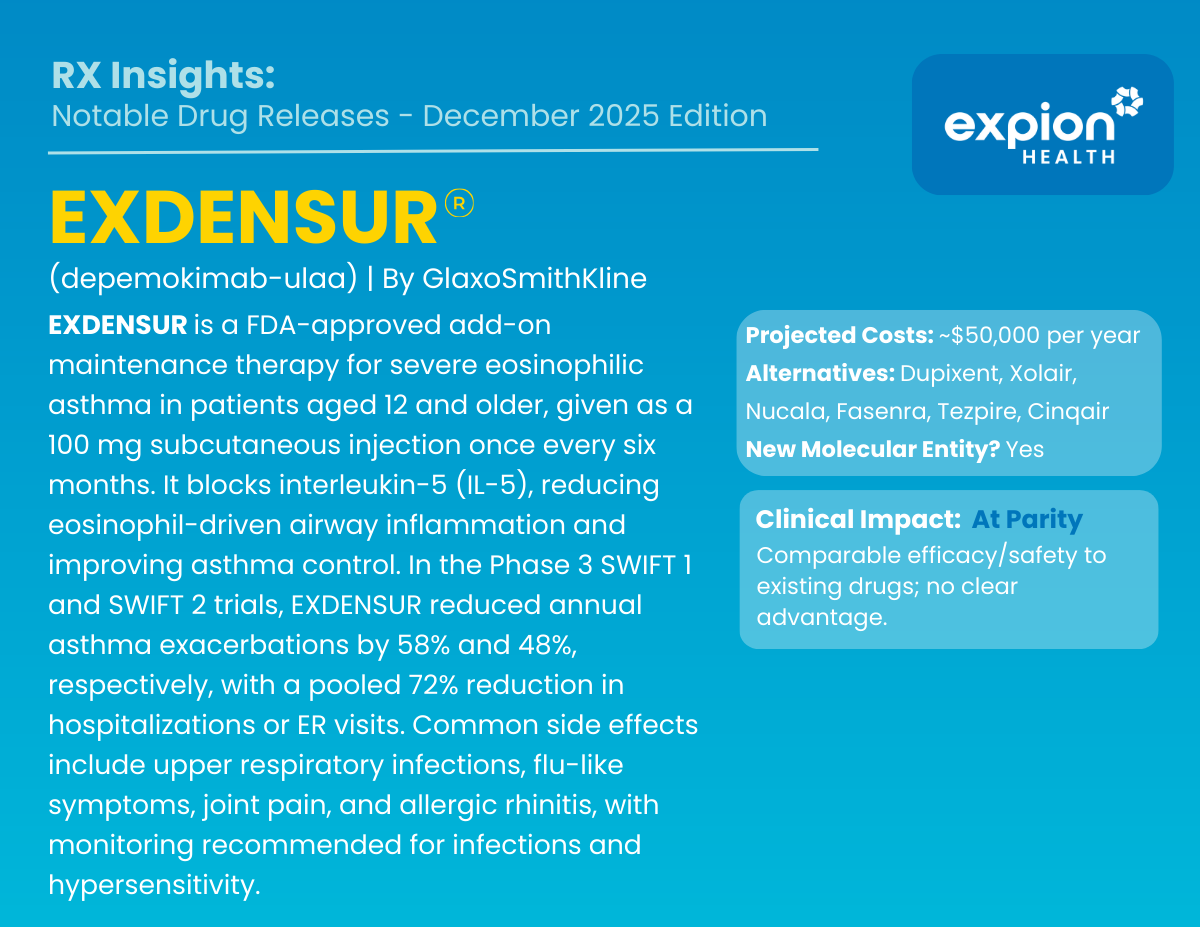
EXDENSUR (depemokimab-ulaa) is FDA approved as an add-on maintenance treatment for severe asthma with an eosinophilic phenotype in patients 12 years of age and older.
Dosage and Administration
EXDENSUR is administered as a 100 mg subcutaneous injection once every 6 months by a healthcare provider. It is supplied as a prefilled pen or syringe.
Warnings and Precautions
The most common adverse reactions include upper respiratory tract infection, flu-like symptoms, joint pain, allergic rhinitis, and sore throat. Patients should be monitored for infections and hypersensitivity reactions during treatment.
Mechanism of Action
EXDENSUR is an interleukin-5 (IL-5) antagonist that targets and blocks IL-5, a key cytokine driving type 2 inflammation in asthma. Inhibition of IL-5 reduces the production and survival of eosinophils, leading to decreased airway inflammation and improved asthma control.
Disease Background
Severe asthma with an eosinophilic phenotype is characterized by elevated eosinophil levels in the blood and airways. Accumulation of eosinophils in the lungs causes persistent inflammation, airway swelling, and excess mucus production, contributing to frequent exacerbations and poor symptom control despite standard therapy.
Clinical Data
FDA approval was supported by the Phase 3 SWIFT 1 (NCT04719832) and SWIFT 2 (NCT04718103) trials. Over 52 weeks, EXDENSUR administered twice yearly alongside standard therapy significantly reduced asthma exacerbations compared with placebo.
- SWIFT 1: 58% reduction in annualized asthma attacks
- SWIFT 2: 48% reduction in annualized asthma attacks
A pooled analysis demonstrated a 72% reduction in asthma exacerbations requiring hospitalization or emergency department visits.
Indication
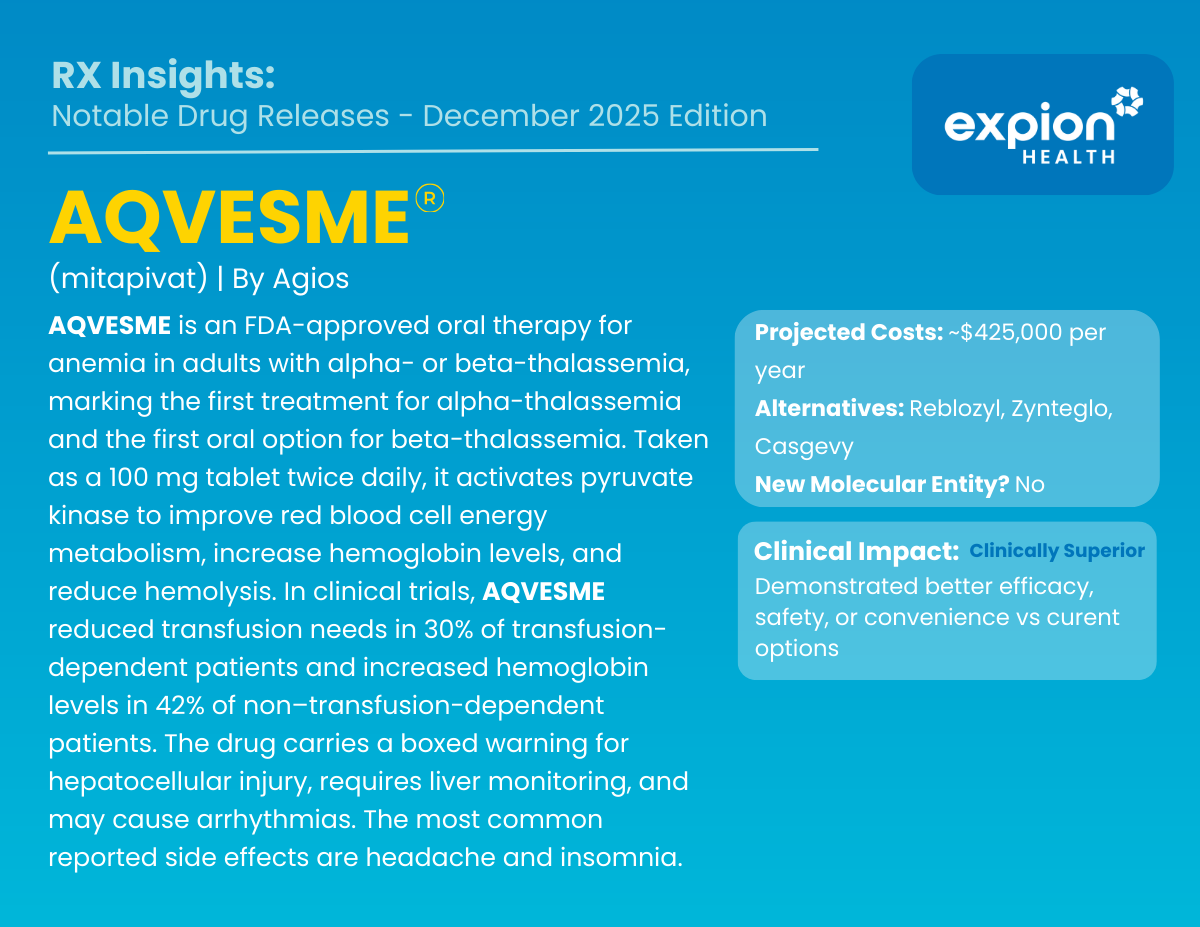
AQVESME (mitapivat) was FDA approved for the treatment of anemia in adults with alpha- or beta-thalassemia. It is the first approved therapy for alpha-thalassemia and the first approved oral treatment for beta-thalassemia in adults.
Dosage and Administration
AQVESME is supplied as 100 mg oral tablets. The recommended dose is one tablet twice daily, taken with or without food. Treatment is intended for long-term use.
Warnings and Precautions
Common adverse reactions include headache and insomnia.
Mechanism of Action
AQVESME is a pyruvate kinase activator that binds to and stabilizes the pyruvate kinase tetramer, increasing enzyme activity. Enhanced pyruvate kinase activity improves red blood cell energy metabolism, supports erythropoiesis, prolongs RBC survival, and reduces hemolysis.
Disease Background
Thalassemia is an inherited blood disorder caused by mutations affecting the production of alpha or beta globin chains, key components of hemoglobin. Imbalanced globin production leads to impaired red blood cell formation and increased destruction, resulting in chronic anemia. Many patients require regular red blood cell transfusions, often every 2–5 weeks, to manage symptoms and complications.
Clinical Data
FDA approval was supported by two multinational, randomized, double-blind, placebo-controlled trials:
- ENERGIZE-T (n=258) evaluated transfusion-dependent patients.
- Transfusion reduction response (>50% reduction and ≥2 units fewer RBCs in any 12-week period) was achieved in 30% of patients receiving AQVESME versus 13% with placebo.
- ENERGIZE (n=194) evaluated non–transfusion-dependent patients.
- Hemoglobin response (≥1 g/dL increase from Week 12–24) occurred in 42% of AQVESME-treated patients compared with 2% in the placebo group.
Indication
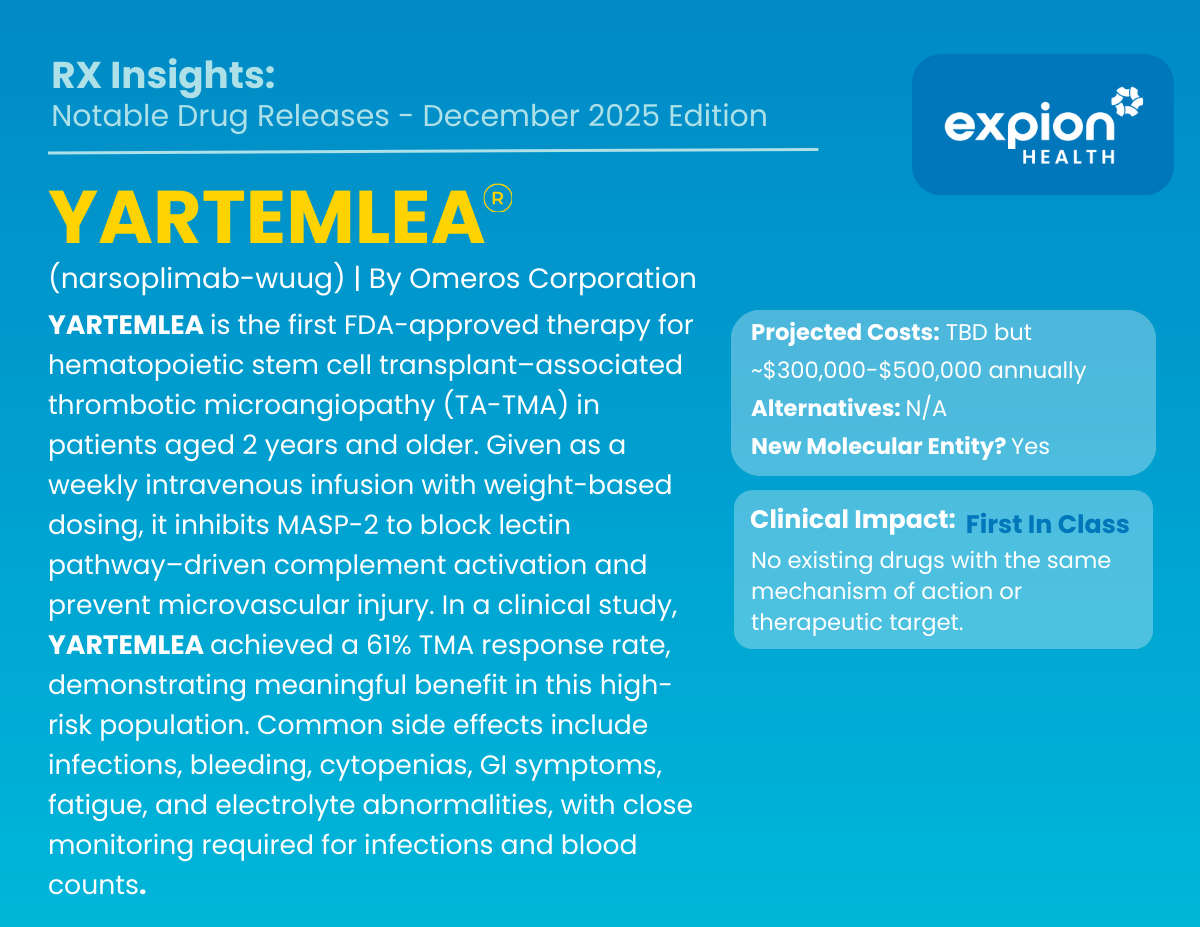
YARTEMLEA (narsoplimab-wuug) is the first FDA-approved treatment for hematopoietic stem cell transplant–associated thrombotic microangiopathy (TA-TMA) in adult and pediatric patients aged 2 years and older.
Dosage and Administration
YARTEMLEA is supplied as a single-dose vial (370 mg/2 mL; 185 mg/mL) and must be diluted prior to administration. It is administered by intravenous infusion over 30 minutes once weekly, with weight-based dosing:
- Patients ≥50 kg: 370 mg IV once weekly
- Patients <50 kg: 4 mg/kg IV once weekly
Warnings and Precautions
Serious adverse reactions include severe infections. Common adverse reactions include infections, hemorrhage, neutropenia, nausea, vomiting, diarrhea, fever, fatigue, and hypokalemia. Patients should be closely monitored for signs of infection and hematologic abnormalities during treatment.
Mechanism of Action
YARTEMLEA inhibits mannan-binding lectin–associated serine protease 2 (MASP-2), the key effector enzyme of the lectin pathway of the complement system. By blocking lectin pathway–mediated activation of complement components C3 and C4—without affecting the classical or alternative pathways—YARTEMLEA helps prevent complement-driven endothelial injury and microvascular thrombosis associated with TA-TMA.
Disease Background
Hematopoietic stem cell transplant–associated thrombotic microangiopathy is a serious, life-threatening complication of stem cell transplantation. It is characterized by microvascular thrombosis, leading to organ damage, most commonly affecting the kidneys, cardiovascular system, and gastrointestinal tract. TA-TMA has historically lacked targeted therapies and carries high morbidity and mortality.
Clinical Data
FDA approval was supported by a single-arm, open-label TA-TMA study involving 28 patients treated with YARTEMLEA once weekly.
- Primary endpoint: TMA response, defined as improvement in laboratory markers (lactate dehydrogenase and platelet counts) plus either organ function improvement or elimination of transfusion requirements
- TMA response rate: 61%
These results demonstrated meaningful clinical benefit in a population with limited treatment options.
Indication
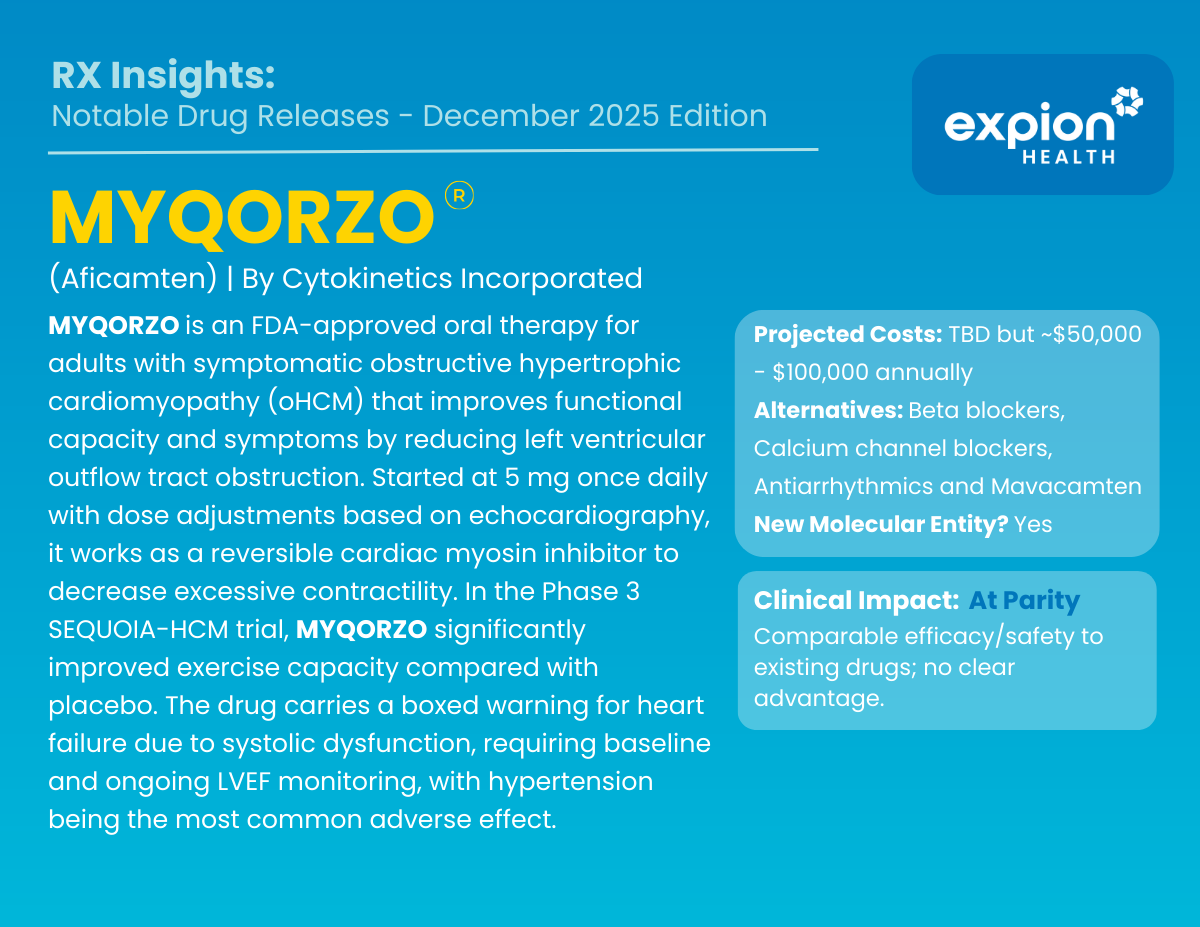
MYQORZO (aficamten) is indicated for the treatment of adults with symptomatic obstructive hypertrophic cardiomyopathy (oHCM) to improve functional capacity and symptoms.
Dosage and Administration
MYQORZO is available as film-coated tablets in strengths of 5 mg, 10 mg, 15 mg, and 20 mg. The recommended starting dose is 5 mg orally once daily. Dose adjustments are based on echocardiographic assessments and the patient’s clinical status.
Warnings and Precautions
MYQORZO carries a boxed warning for heart failure due to systolic dysfunction. Left ventricular ejection fraction (LVEF) must be assessed prior to initiation and monitored during treatment. The most reported adverse reaction was hypertension.
Mechanism of Action
MYQORZO is an allosteric, reversible inhibitor of cardiac myosin that reduces excessive myosin-actin interactions at the cardiac sarcomere. In patients with oHCM, this leads to reduced cardiac contractility and decreased left ventricular outflow tract (LVOT) obstruction, improving hemodynamics and exercise capacity.
Disease Background
Hypertrophic obstructive cardiomyopathy (oHCM) is an inherited heart muscle disorder characterized by abnormal thickening of the myocardium, most commonly involving the interventricular septum. This thickening can obstruct blood flow from the left ventricle and impair cardiac output. oHCM is a leading cause of sudden cardiac death in young individuals, including athletes.
Clinical Data
FDA approval was supported by the Phase 3 SEQUOIA-HCM trial, a randomized, double-blind, placebo-controlled study involving 282 patients with symptomatic oHCM. Participants were randomized 1:1 to receive MYQORZO or placebo once daily for 24 weeks.
- Primary endpoint: Change from baseline in peak oxygen uptake (pVO₂)
- Results: MYQORZO demonstrated a statistically significant improvement in exercise capacity compared with placebo (mean change in pVO₂: 1.7 mL/min/kg vs. 0.0 mL/min/kg; least squares mean difference 1.7 [95% CI, 1.0–2.4]; P < .0001)
- Benefits were consistent across all analyzed subgroups